Mom-Founded. Female-Owned. Family-Focused Care.

June 11, 2026
Feeding your newborn should be one of those sweet, bonding moments, yet for some families, it can feel unexpectedly stressful. If you're noticing that nursing or bottle feeding isn’t going as smoothly as you'd hoped, you’re not alone.
One of the common but often overlooked culprits in early feeding challenges is tongue tie (also known as ankyloglossia). This condition can interfere with your baby’s latch, milk transfer, and even weight gain. At Pinky Promise Pediatric Dentistry in Naperville, IL, we’re here to help parents navigate this journey with compassion, expertise, and gentle guidance.

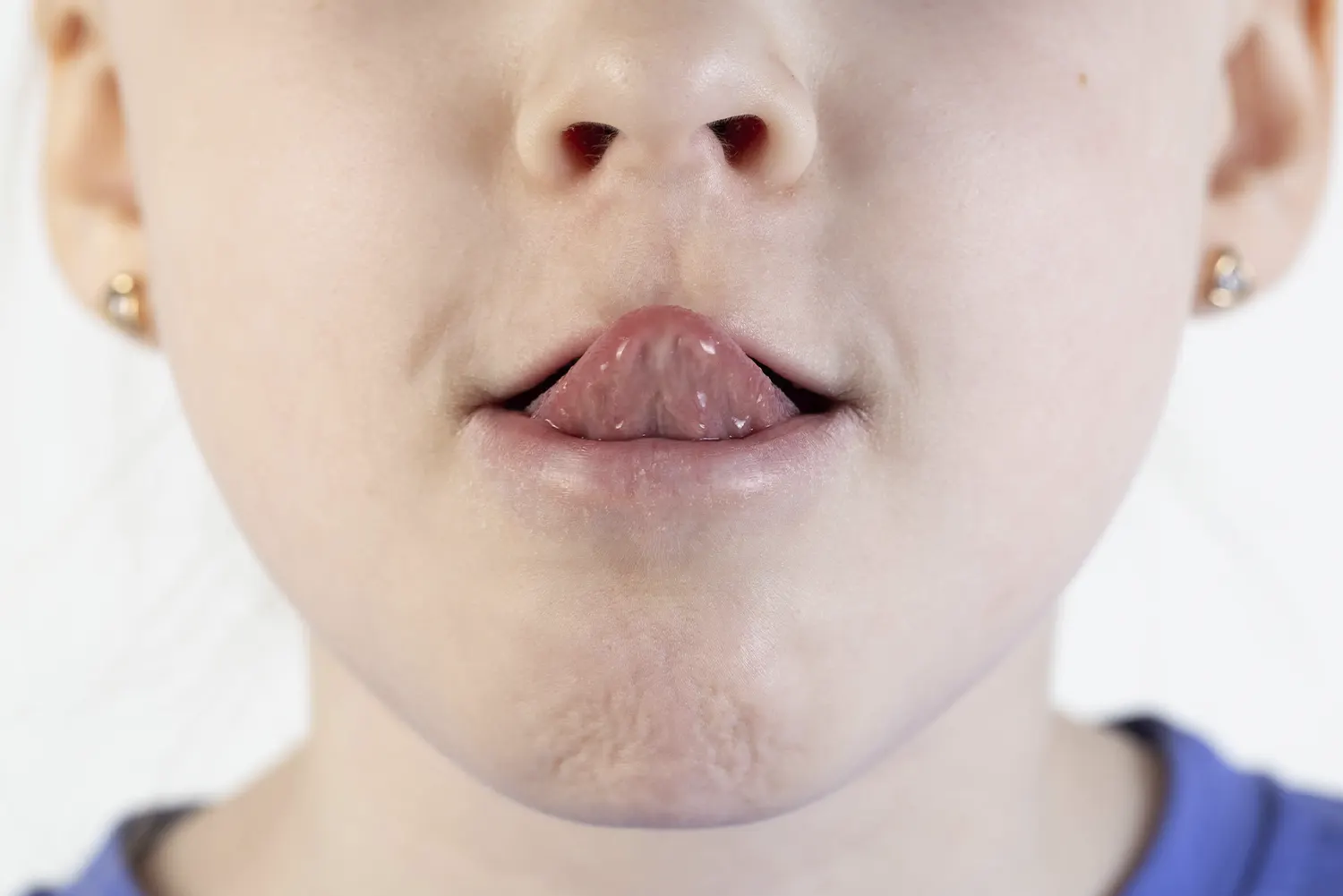
A tongue tie occurs when the band of tissue (lingual frenulum) beneath the tongue is too short or tight, restricting how far the tongue can move. In newborns, this limited movement can directly impact feeding.
Because proper tongue mobility is essential for suckling, a tongue tie may make nursing or even bottle feeding difficult for both baby and parent. Here are some signs that may indicate a tongue tie is affecting your baby’s feeding:
If any of these behaviors sound familiar, it may be worth evaluating whether a tongue tie is the root cause of your feeding challenges.
It’s common for parents to assume feeding will come naturally. But when babies struggle to latch deeply or maintain suction, it can be a red flag. A tongue tie often prevents your child from forming a proper seal, causing frustration for both baby and caregiver. And while bottle feeding may seem like a work-around, it doesn’t always solve the issue.
In fact, babies with tongue ties may still have difficulty coordinating their suck-swallow-breathe pattern, regardless of the feeding method. Plus, we know that feeding issues aren’t just physical. They can quickly become emotional and lead to feelings of frustration, anger, sadness, and anxiety.
That’s why Dr. Neelon Patel, who is both a mother and pediatric dentist, approaches each case with heartfelt empathy and clinical precision. When necessary, she can work closely with local lactation consultants and pediatricians to ensure all aspects of your baby’s well-being are taken into consideration, respecting your family’s individual feeding goals.
Recognizing a tongue tie is the first step in making feeding easier and more comfortable. At Pinky Promise Pediatric Dentistry, Dr. Patel performs gentle, comprehensive oral assessments made just for infants. If a tongue tie is confirmed, she will walk you through a range of treatment options with care and clarity.
In cases where treatment is recommended, a frenectomy, a quick, minimally invasive procedure to release the tongue, may be performed right here in our office. Dr. Patel uses precise techniques to minimize discomfort and support a swift recovery. Our approach includes:
If you’re wondering whether your baby’s feeding challenges are “normal,” trust your instincts as a parent. It’s never too early to ask questions and seek support. A pediatric dentist with specialized experience in infant oral ties can offer clarity and reassurance during an otherwise overwhelming time. At Pinky Promise Pediatric Dentistry, we’re not just here to treat. We’re here to listen, too.
Whether you’re breastfeeding, bottle feeding, or doing a bit of both, we're ready to partner with you in finding compassionate solutions that work for your family. With a kid-first focus, sensory-sensitive tools, and Dr. Patel’s unique perspective as a mom herself, every visit is centered on comfort and care.
If you’re in Naperville and suspect that your baby’s feeding issues might be caused by a tongue tie, we invite you to contact Pinky Promise Pediatric Dentistry at (630) 687-9292. Dr. Neelon Patel and our caring team are here to help you move forward with confidence and connection. Let’s make feeding feel joyful again, starting with a gentle evaluation tailored just for your little one.
We accept all PPO insurance plans. We do not accept Medicaid or HMO policies. For our uninsured patients, ask us about our Membership Plan, Pinky Perks!